

Pineapple Habanero Jelly

Sweet meets heat in the most irresistible way with this homemade Pineapple Habanero Jelly. Bursting with bright tropical fruit and a fiery kick of habanero peppers, it’s the perfect condiment to wake up everything from cream cheese and crackers to grilled chicken and shrimp. Plus, with a few simple canning steps, you can enjoy that sweet, spicy flavor anytime.

Why You’ll Love It
- Balanced flavor – the tropical sweetness of pineapple pairs beautifully with the bold heat of habanero peppers.
- Easy canning – a straightforward method that even beginners can master.
- Versatile uses – spread on biscuits, glaze meats, or serve over cream cheese as a party appetizer.
Ingredients
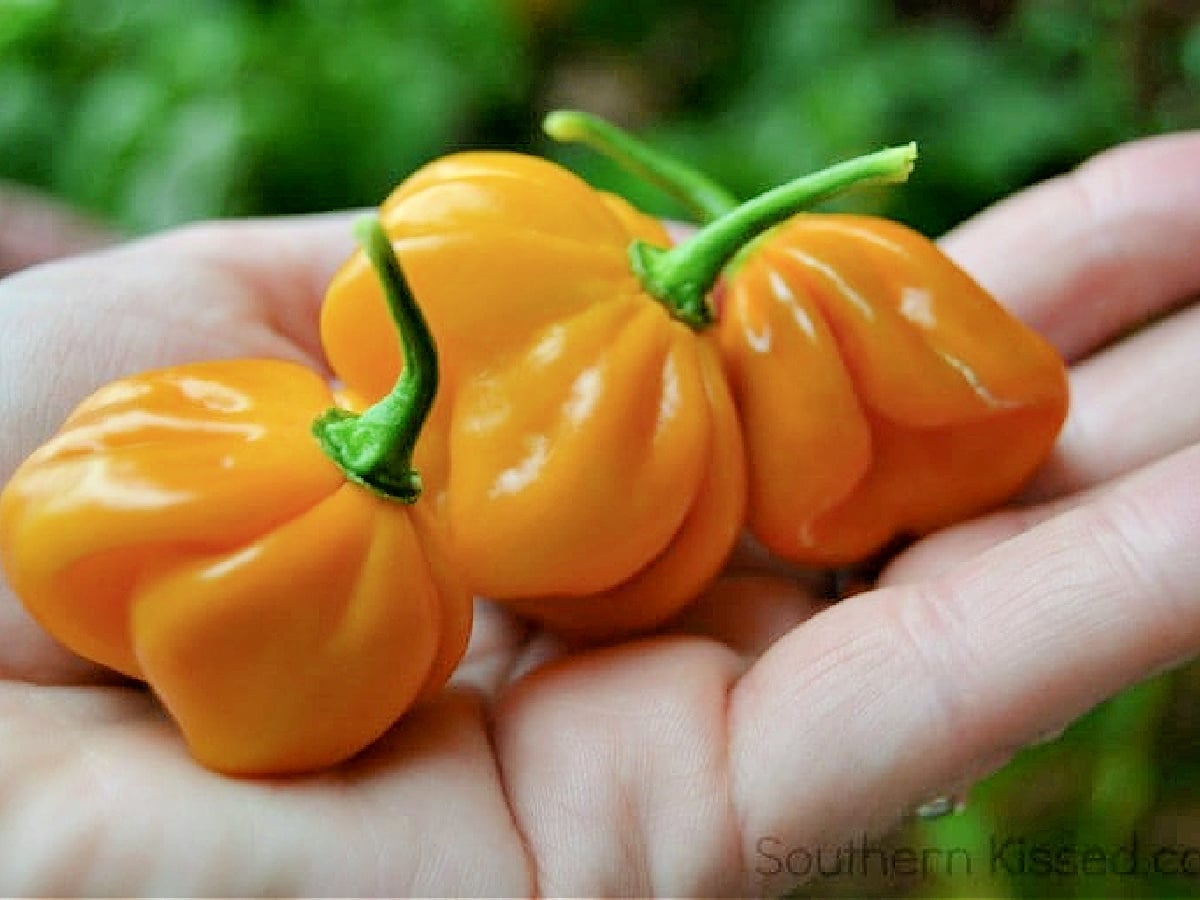
- 3 habanero peppers
- 20 ounces of pineapple in juice, drained
- ½ yellow bell pepper, seeds and pulp removed
- 2½ cups sugar
- ½ cup vinegar
- 2 tablespoons fruit pectin
- 4 half-pint jars
Instructions
- Prep jars: Wash jars, lids, and rims. Place clean jars in boiling water and boil for 10 minutes to sterilize.
- Process peppers and fruit: Wearing gloves, cut peppers in half and remove the seeds and pulp. Place in a food processor. Add pineapple and bell pepper and process until smooth.

- Cook jelly: In a large pot, combine sugar, vinegar, and the pepper blend. Stir over medium-high heat until it begins to boil. Reduce the heat and simmer for 20 minutes.

- Add pectin: Stir in fruit pectin, return to a boil, and cook for 1 minute.
- Can it: Pour hot jelly into prepared jars. Wipe rims clean, secure lids and rings, and process in boiling water for 10 minutes. (If you plan to eat within a week, you can invert the jars for about 10 minutes to help create a seal.)


If you love pineapple as much as I do, don’t stop with this sweet-and-spicy jelly. Brighten up your table with Pineapple Coleslaw for a crisp, tangy side, or cool off with a refreshing glass of Pineapple Agua Fresca. Both pair beautifully with summer cookouts, backyard parties, or any meal that could use a tropical twist.

Pineapple Habanero Jelly
Ingredients
Method
- Wash jars, lids, and rims. Place clean jars in boiling water and boil for 10 minutes to sterilize.
- Wearing gloves, cut peppers in half and remove the seeds and pulp. Place in a food processor. Add pineapple and bell pepper and process until smooth.
- In a large pot, combine sugar, vinegar and pepper blend. Stir on medium-high heat until it starts boiling. Turn heat down and simmer for 20 minutes.
- Add fruit pectin and return to boil and cook for 1 minute.
- Pour into prepared jars, place lid and rims on tightly and place jars in boiling water for 10 minutes. (If you plan on eating within a week, you can invert the jars for approximately 10 minutes to help create the seal.
Nutrition
Video
Notes
Tips for Success
- Wear Gloves: When handling habanero peppers, always wear gloves to avoid irritation.
- Check the Set: After adding the pectin, use the spoon test. Dip a cold metal spoon into the jelly; if it thickens and gels, it’s ready. (Please note that this is typically done when not using pectin.)
- Consistency Adjustments: For a smoother texture, process the mixture longer in the food processor. For chunkier jelly, pulse briefly.
Storage Instructions
Store your Pineapple Habanero Jelly in a cool, dark place for up to one year. Once opened, keep it refrigerated and consume it within 2-3 weeks.Tried this recipe?
Let us know how it was!Serving Tips
- Spoon over cream cheese for an easy appetizer.
- Brush onto grilled pork chops or chicken as a sweet-and-spicy glaze.
- Spread on biscuits or toast for a tropical breakfast with a kick.

Tips for Using a Water Bath Canner
- Prepare Your Jars: Before you start, make sure your jars, lids, and rims are clean. Wash them in warm, soapy water, then sterilize the jars by boiling them in the canner for 10 minutes. Keep them hot until you’re ready to fill them.
- Use the Right Equipment: A good water bath canner is essential for safe and effective canning. The Granite Ware 21-Quart Steel/Porcelain Water-Bath Canner is a great choice. It’s durable, heats evenly, and can hold up to 7 quart-size jars at once.
- Fill the Canner with Water: Before adding your filled jars, fill the canner with enough hot water to cover the jars by at least 1-2 inches. This ensures that the jars are fully submerged during processing.
- Loading the Canner: Use a jar lifter to carefully lower the filled jars into the canner. Make sure they’re not touching each other or the sides of the canner to allow for proper water circulation.
- Maintaining a Boil: Once the jars are in the canner, bring the water to a full rolling boil. Start timing the processing once the water reaches this stage. Keep the water boiling throughout the entire process to ensure the food inside the jars is safely preserved.
- Adjust for Altitude: If you live at a higher altitude, you’ll need to adjust your processing time. For every 1,000 feet above sea level, add an additional 5 minutes to the processing time.
- Cooling the Jars: After processing, use the jar lifter to remove the jars from the canner. Place them on a towel or cooling rack, leaving space between the jars to allow for even cooling. Let them sit undisturbed for 12-24 hours.
- Check the Seals: Once the jars are cool, check the seals by pressing down on the center of the lids. If they don’t pop back, the jars are sealed correctly. Any jars that haven’t sealed should be refrigerated and used first.
- Label and Store: Label your jars with the contents and the date, then store them in a cool, dark place. Properly processed and sealed jars can last up to a year.
- Safety First: Always follow up-to-date canning guidelines from reliable sources like the USDA or your local extension office to ensure food safety.
Final Bite
Whether you want to add some spice to your morning toast or use it as a glaze for grilled meats, this homemade jelly is sure to become your go-to condiment. If you’re looking for an easy way to add some exciting flavor to your meals, give homemade Pineapple Habanero Jelly a try!
Have you tried making pineapple habanero jelly at home—or discovered a creative way to serve it? Share your ideas in the comments and pass this recipe along to anyone who loves a little sweet heat in their kitchen.

I have made this many times over the past couple of years. I makes a great sauce for pork or shrimp. I have to make it several times a year as it is in high demand with my friends. thank you for posting this
Thanks for coming back and leaving your comment. We are so delighted that you like it.
My husband would completely agree with you about it making a great sauce.
I haven’t made this particular recipe, but bought some at a market and it tasted realty well. I have used it on air fried salmon(added the last 5 mine of cook). smoked babyback ribs(dry rubbed only, I didn’t use a sauce, added last 20 min) and plan to try in on a pork tenderloin. I plan to make some ASAP.
Did you use a liquid pectin or a powder?
how long will this last in the refrigerator?
Honestly, I do not know.
But according to the National Center For Home Food Preservation, “Opened home-canned jams and jellies should be kept in the refrigerator at 40°F or lower. “Regular” – or pectin-added, full-sugar – cooked jams and jellies are best stored for 1 month in the refrigerator after opening. They may last longer depending on the specific product and how it is used. The expected shelf life will be shortened by keeping the container frequently open and/or out at room temperature for long periods of time during use.”
I made this last night and it tastes awesome and I followed the recipe but mine did not set up yet the next day. will it eventually or should I open the jars and cook it again with more pectin? I used the liquid pectin as that is what I’ve been reading in all the other recipes.
@denny, did it set? I had to te do my pepper jelly too! I used this link. https://www.pickyourown.org/how_to_fix_runny_jam.htm