

San Josè, Costa Rica Food Tour

One of the best ways to get a feel for San José is to take the Bites and Sights Food Tour, where you will sample fresh fruit, local dishes, and Costa Rican coffee. But that’s not all – you’ll hear about the area’s history and explore a few of the buildings that make San José special.

When we go somewhere new, we try to book a food tour at the beginning of our trip. It helps us get a feel for the city and to try things that we otherwise probably wouldn’t. We took the San Josè Central Market Bites and Sights Walking Tour in March 2024, which did not disappoint.
Our group met at the Monument de los Presentes. The monument, built in 1953, is a collection of 10 bronze sculptures depicting ordinary Costa Ricans. The life-sized replicas of indigenous people were created by Fernando Calvo in 1982 and sold to the Central Bank for $60,000 USD in 1985. Be sure to get a good look and notice how many have on shoes, their facial expressions, their clothing, etc.
Our guide was Oscar, and he told us some facts about Costa Rica, such as there are 7 provinces and 5 million people in the country, with 3.5 million in the Central Valley alone. There is also a large population of immigrants from Nicaragua, which borders Costa Rica to the north.

Our first stop was the Central Market (Mercado Central), founded in 1880.

This was a true taste of authentic Costa Rica. Inside the market, vendors sell trinkets, stuffed animals, produce, meat, live animals, and more. There are also places to eat called sodas (think local mom-and-pop restaurants).

The first thing we tried was caldosas – mahi mahi ceviche. It was served in a bag of picaritas (barbecue-flavored corn chips).

When you go through the market, be sure to pay close attention. Yes, that’s a real pig’s head pictured below.

The contraptions below are Costa Rican “coffee makers.” It is called a chorreador and functions much like an American brew-over-coffee maker. Costa Ricans have been making coffee this way for over 200 years.

Before heading to the next market, we had the chance to use the restroom. Note: You need to pay 300 colones (approximately 60 cents) to use the restroom at the market.

We made our way to another large market, Mercado Borbón. This is more of a farmers’ market, and plenty of fresh produce was for sale in the market.


San Josè is hilly, and this is quite evident inside the market, where the aisles are sloped. This is real Costa Rica.

It was in the second market where we tried more delicious Costa Rican fruits, such as cas, a member of the guava family, and granadillas, a native passionfruit. (The name of the latter translates to “little grenade.”)

I was hooked on the crunchy seeds and the sweet mucilage that surrounds them. I ended up buying some and enjoyed them later.
I would have loved to buy some cacao and bring it home. Although it has a somewhat bitter taste, I found it quite enjoyable.

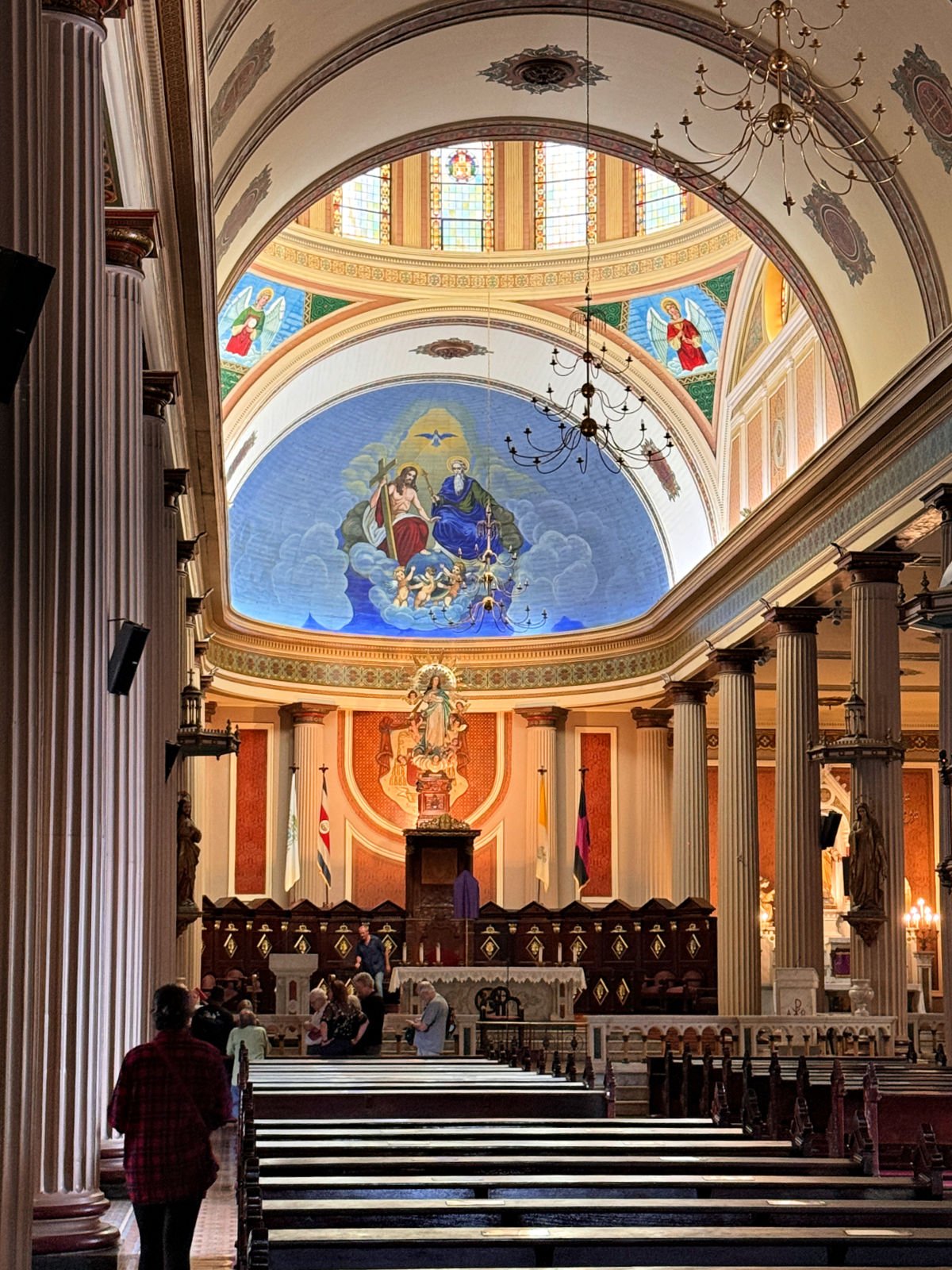
For the sights, we visited the Metropolitan Cathedral of San Josè (Catedral Metropolitana). Originally built in 1802, the neoclassical basilica has been rebuilt 4 times due to seismic activity (earthquakes).
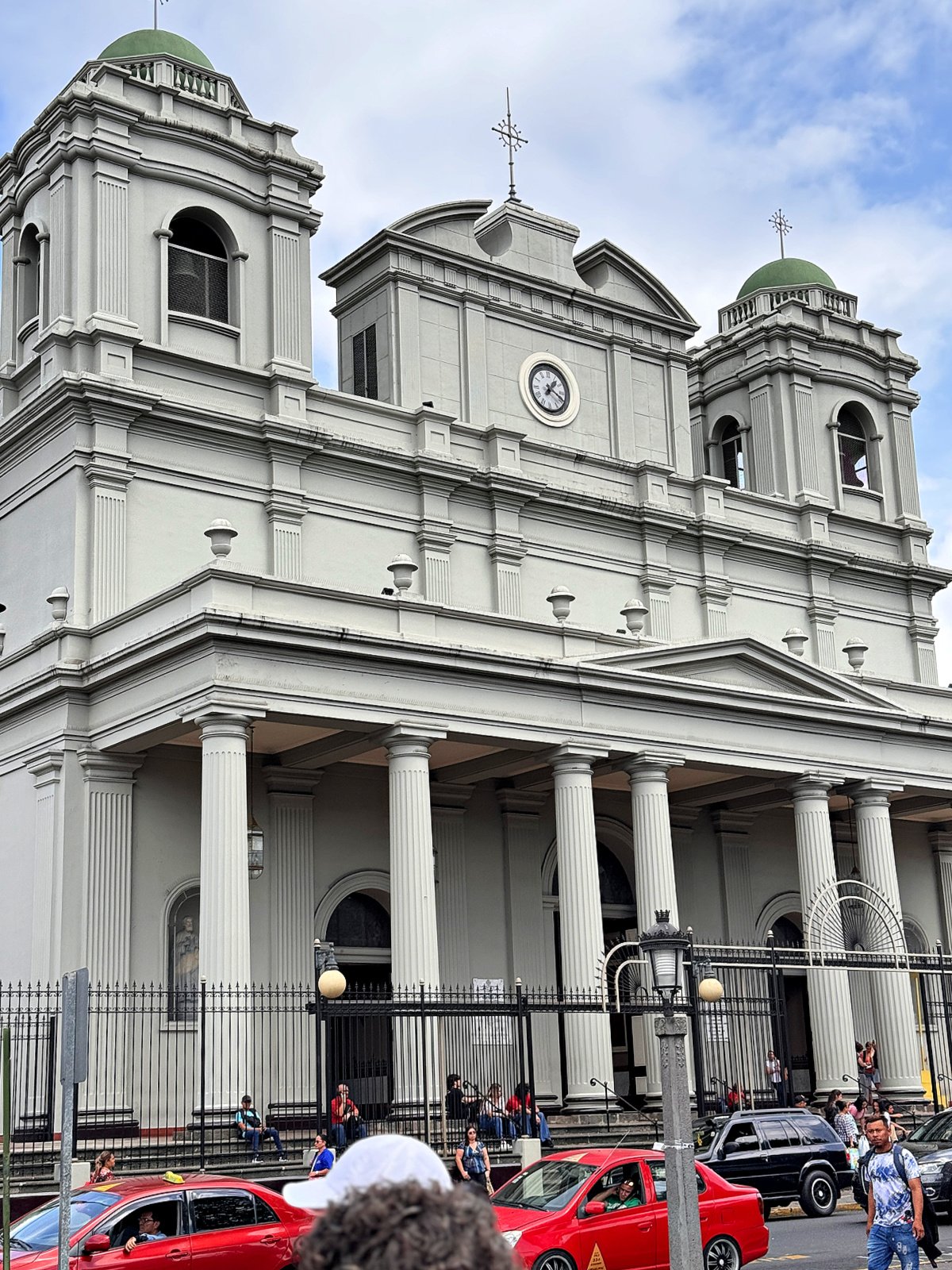
Because Costa Rica lies on the Ring of Fire, it experiences many earthquakes each day (about 50). Most of them are unfelt.
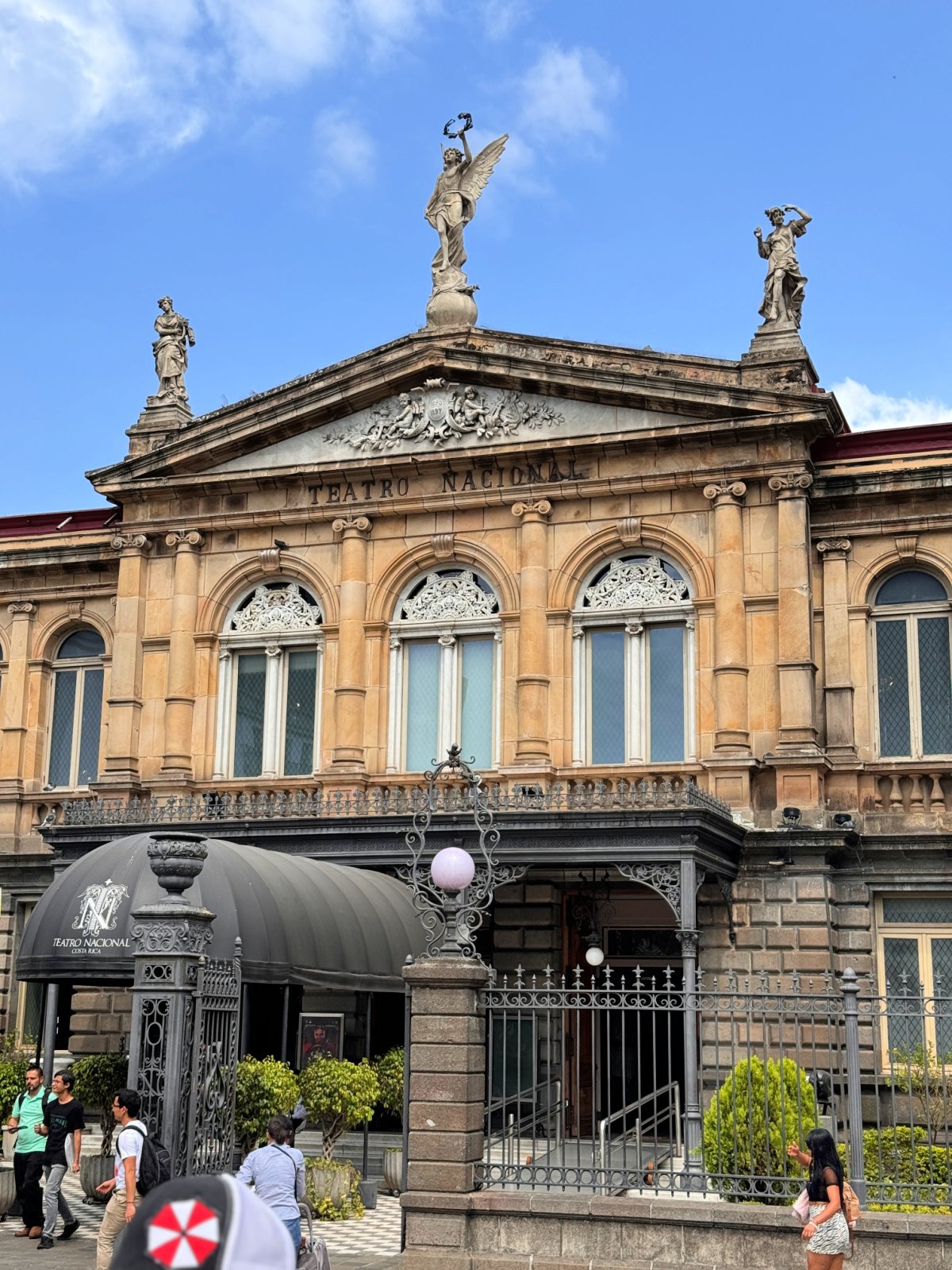
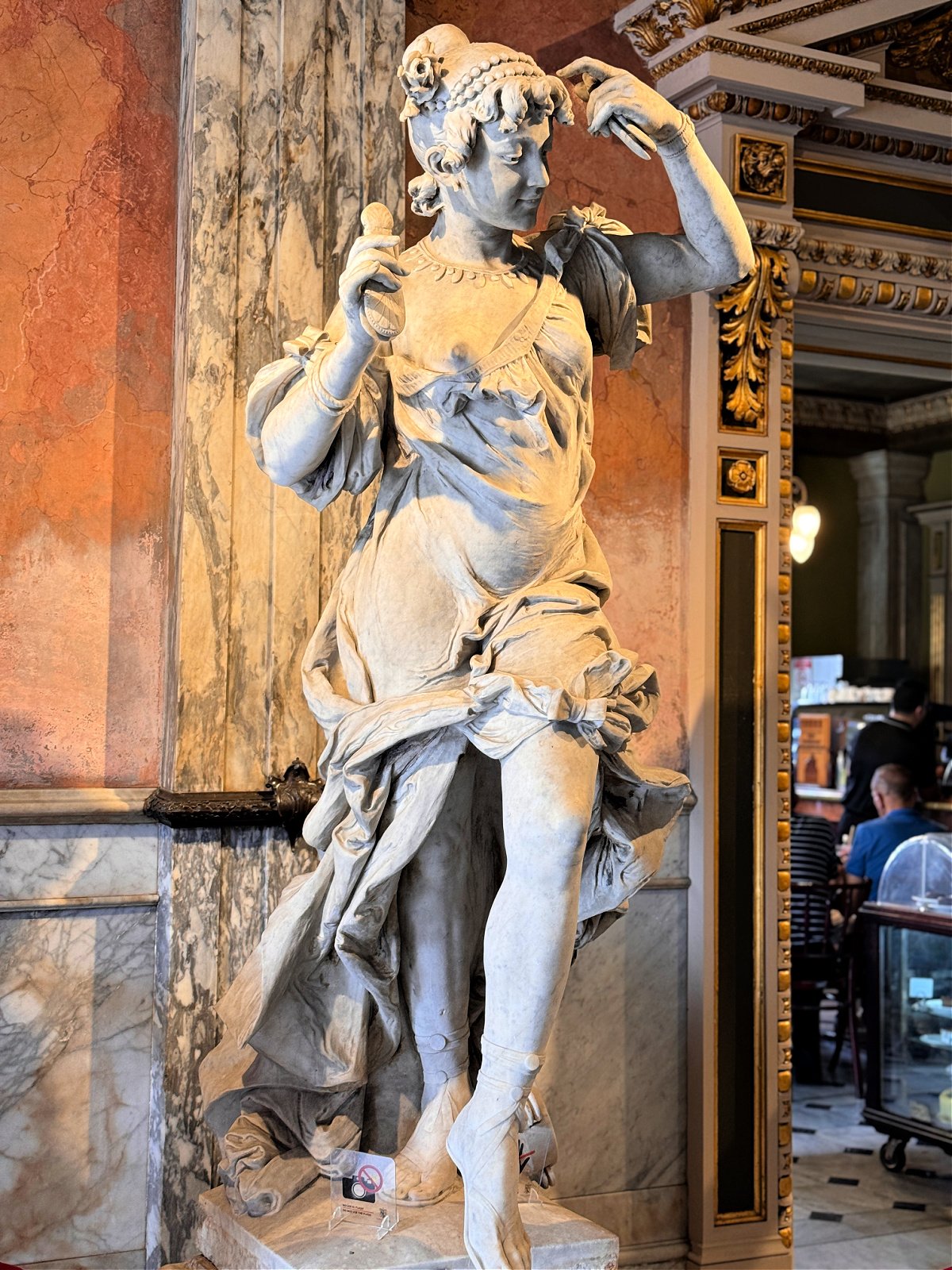
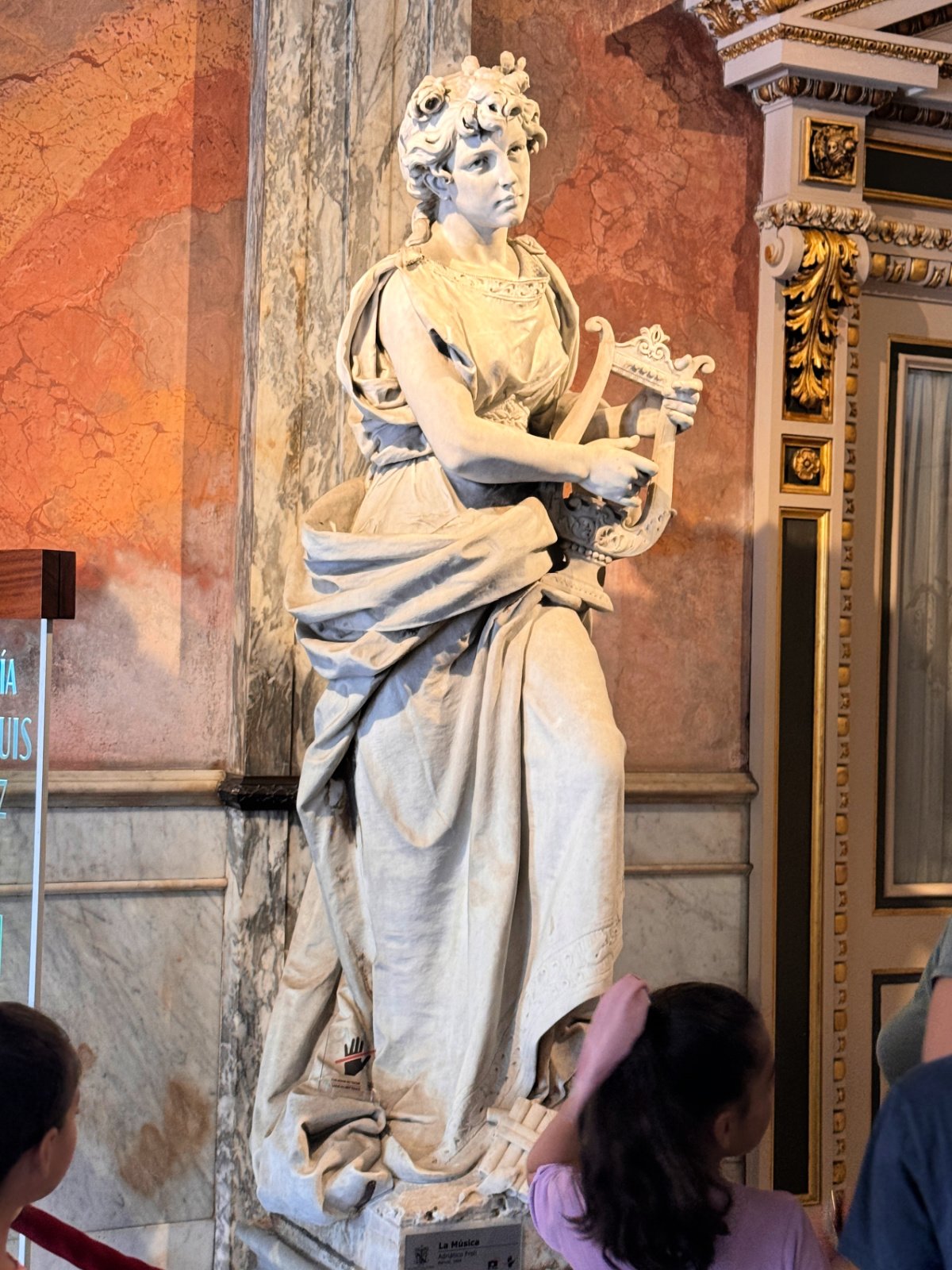
Our next-to-last stop was at the National Theater (Teatro Nacional de Costa Rica). One piece of information I found quite interesting is that Costa Rica ranked fourth in the world for electricity, and theater ranked first in Costa Rica.
Completed in 1897, the theater is still home to performances by local artists. Coffee lovers will appreciate enjoying a cup of coffee and a homemade pastry while surrounded by neoclassical architecture that oozes history and art.
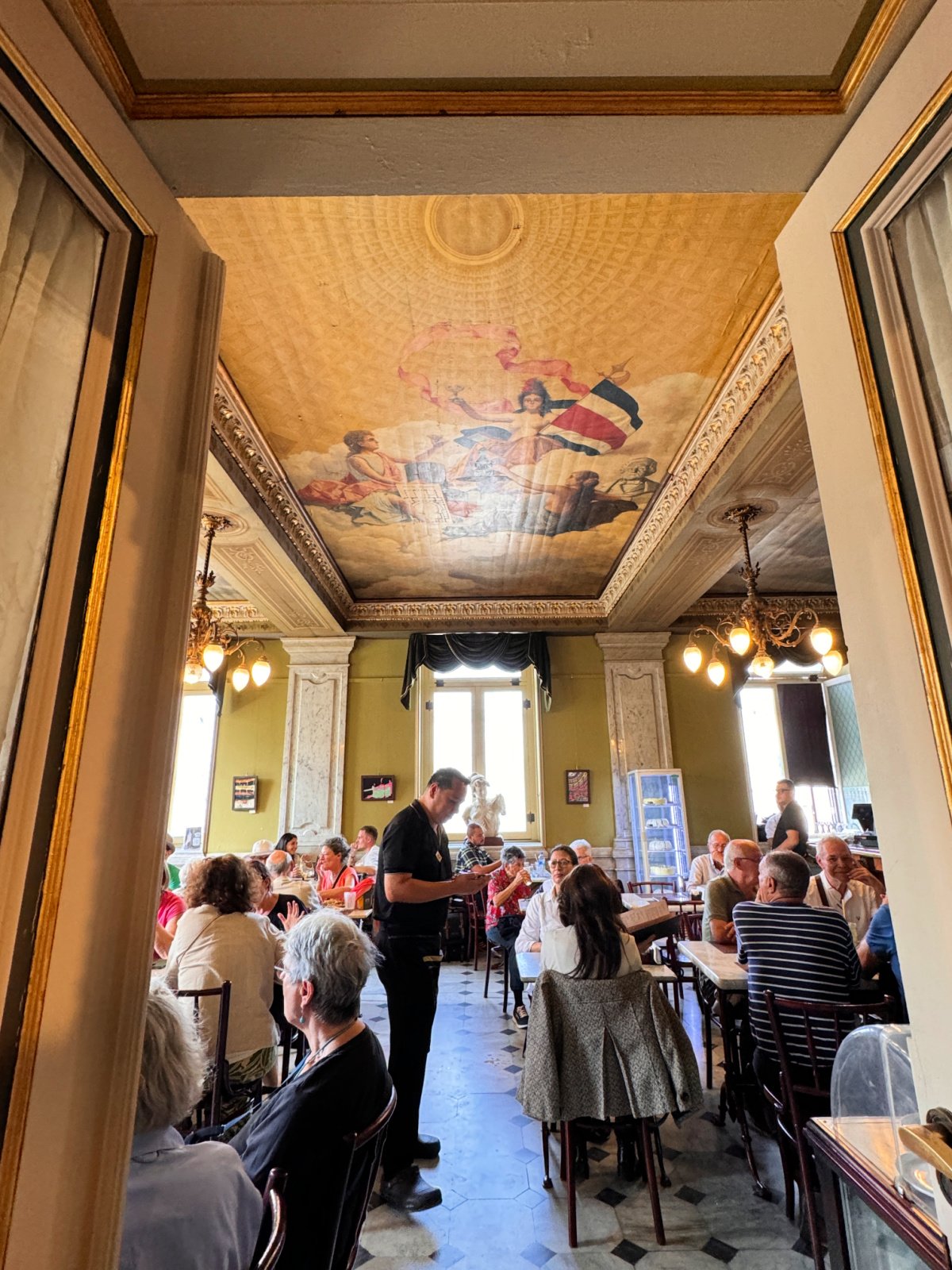
We concluded our tour at a restaurant, sampling coffee, enjoying a tamale, and making small empanadas.
Tours can be purchased through Get Your Guide, with rates starting at $29.00 per person. They last 3 hours and are a fantastic way to “sample” San Josè. If you go, please don’t forget to tip your guide.

Last Bite
If I had the chance, I’d sign up for this San José food tour all over again—no hesitation. The peek into local culture, the genuine hospitality, and the food – it was an experience that stuck with me long after the last bite. Whether you’re a foodie, a traveler, or someone who appreciates a good story behind every dish, this tour is absolutely worth it.
Costa Rica isn’t the only place serving up flavor-packed experiences. If you loved this San Jose tour, you’ll also enjoy my Puerto Vallarta Food Tours for more Latin American tastes, or head stateside with my Delicious Denver Food Tour and Food Tours in Pensacola, Florida.
San Jose is full of flavor, and a food tour is the best way to taste it all. Don’t forget to save this guide for your trip, share it with your travel buddies, and comment with the dish you’d be most excited to try.
